Author name: sunnyguptaa60@gmail.com

Uncategorized

Social Media Marketing (SMM): Grow Your Brand Where People Spend Time

In today’s digital world, people spend hours scrolling through social media. That’s exactly where businesses need to be. Social Media Marketing (SMM) helps you connect with your audience, build relationships, and grow your brand in a powerful and engaging way. 💡 What is Social Media Marketing (SMM)? Social Media Marketing is a digital marketing strategy that uses social platforms to promote products, services, or brands. It involves creating and sharing content, running ads, and interacting with users. Popular platforms include Instagram, Facebook, LinkedIn, and YouTube. 🚀 Why SMM is Important in Digital Marketing? SMM is important because: 📢 Increases brand awareness 🤝 Builds trust and engagement 🎯 Helps reach a targeted audience 💬 Encourages direct interaction with customers 📈 Drives traffic and sales 🔍 Types of Social Media Marketing 📝 1. Organic Marketing Posting regular content like images, videos, and stories without spending money. 💰 2. Paid Advertising Running ads to reach a larger and targeted audience. 🤳 3. Influencer Collaboration Partnering with influencers to promote your brand. 🎥 4. Video & Reel Marketing Short videos and reels to grab attention quickly. ⚡ How SMM Works Choose the right platform for your audience Create engaging content Post consistently Interact with followers (comments, messages) Analyze performance and improve 💡 Tips to Succeed in SMM Use high-quality visuals Write catchy captions Follow trending topics and hashtags Post at the right time Stay consistent and active Engage with your audience regularly ❌ Common Mistakes to Avoid Posting without a strategy Ignoring comments and messages Over-promoting products Inconsistent posting Not tracking performance 🌟 Catchy Headline Ideas “Turn Likes into Customers with Social Media Marketing” “Grow Your Brand Faster with Smart SMM” “From Scroll to Sale: The Power of Social Media” “Engage, Influence, Convert: Master Social Media Marketing” 📈 Conclusion Social Media Marketing is not just about posting content—it’s about building a strong connection with your audience. When done right, SMM can turn followers into loyal customers and help your business grow  Start with simple strategies, stay consistent, and keep improving—your brand will shine on social media ✨

Search Engine Marketing (SEM)

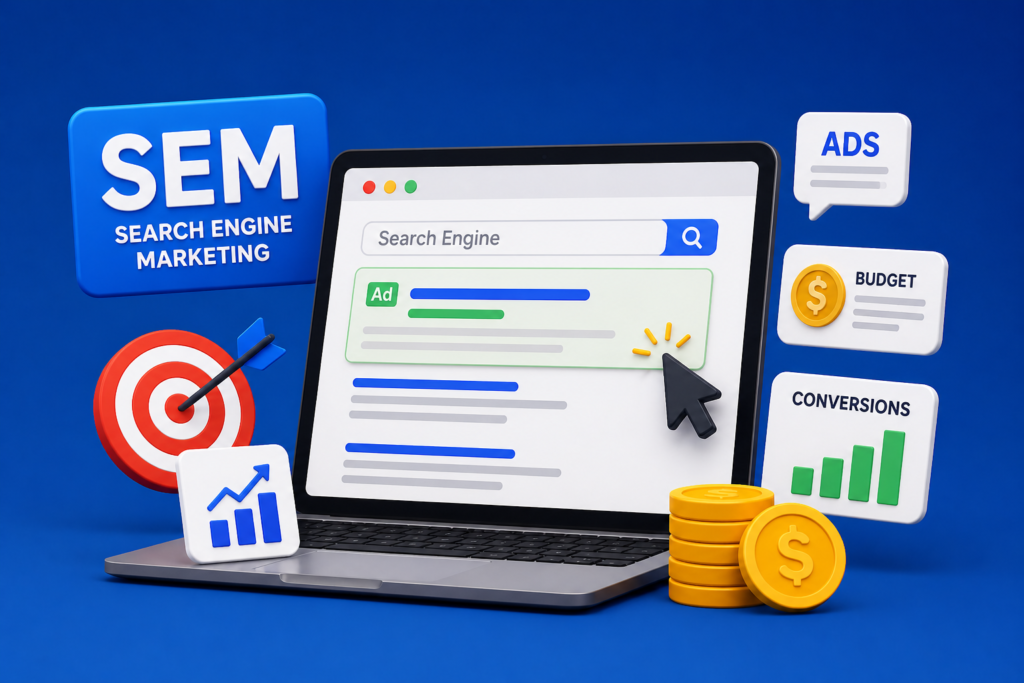
Search Engine Marketing (SEM): Get Your Business Seen Instantly

In the fast-paced world of digital marketing, visibility is everything. If your business isn’t showing up when people search online, you’re missing out on valuable customers. That’s where Search Engine Marketing (SEM) comes in—helping your brand appear right at the top when it matters most. 💡 What is SEM? Search Engine Marketing (SEM) is a digital marketing strategy used to promote websites by increasing their visibility on search engines through paid advertising. Platforms like Google Ads allow businesses to display ads on search results of Google when users search for specific keywords. ⚡ SEM vs SEO: What’s the Difference? SEO (Search Engine Optimization) → Focuses on organic (free) traffic, takes time SEM (Search Engine Marketing) → Focuses on paid ads, gives instant results 👉 In simple words:SEO = Slow but long-termSEM = Fast and immediate 🎯 Why SEM is Important? SEM is powerful because it: 🚀 Provides instant visibility 🎯 Targets users actively searching for your service 📈 Increases website traffic quickly 💰 Helps generate leads and sales 📊 Offers measurable results 🔍 How SEM Works Here’s how SEM works step-by-step: Choose relevant keywords Create ad campaigns Set your budget and bids Your ad appears on search results Pay when users click your ad 📊 Types of SEM Ads 🔎 1. Search Ads Text ads shown on search engine result pages 🛍️ 2. Shopping Ads Product-based ads with images and pricing 📢 3. Display Ads Banner ads on different websites 🎥 4. Video Ads Ads shown on platforms like YouTube 💡 Tips for Successful SEM Campaigns Use high-intent keywords Write clear and engaging ad copy Add strong Call-To-Action (CTA) Optimize your landing page Monitor and adjust campaigns regularly ❌ Common Mistakes to Avoid Choosing wrong keywords Ignoring ad performance data Poor landing page experience Not setting a proper budget Overlooking mobile users 🌟 Catchy Headline Ideas “Get on Top of Search Results Instantly with SEM” “Turn Searches into Sales with Smart SEM” “Grow Faster with Paid Search Marketing” “Your Shortcut to Online Visibility Starts Here” 📈 Conclusion SEM is one of the fastest and most effective ways to grow your business online. It helps you connect with the right audience at the right time—when they are already searching for your services. If used strategically, SEM can deliver instant traffic, high-quality leads, and strong ROI.

SEO

SEO in Digital Marketing: A Beginner-Friendly Guide

Search Engine Optimization (SEO) is one of the most powerful parts of digital marketing. If you’ve ever wondered how some websites appear on the first page of Google while others stay hidden, SEO is the reason behind it. In simple words, SEO is the process of improving your website so that it ranks higher on search engines and attracts more organic (free) traffic. What is SEO? SEO stands for Search Engine Optimization. It is a strategy used to increase the visibility of a website on search engines like Google. When someone searches for something online, SEO helps your website appear in the results. For example, if someone searches for “best digital marketing services,” a well-optimized website has a higher chance of showing up on the first page. Why is SEO Important in Digital Marketing? SEO plays a key role in digital marketing because: It brings organic traffic (free visitors) Builds trust and credibility Improves user experience Helps in long-term growth of a business Increases brand visibility Unlike paid ads, SEO continues to give results over time without continuous spending. Types of SEO 1. On-Page SEO This focuses on optimizing the content and structure of your website. Key elements: Using proper keywords Writing high-quality content Optimizing titles and meta descriptions Using headings (H1, H2, H3) Adding internal links 2. Off-Page SEO This focuses on activities outside your website to improve its authority. Key elements: Backlinks (links from other websites) Social media sharing Guest posting Influencer outreach 3. Technical SEO This ensures your website works properly and is easy for search engines to crawl. Key elements: Website speed Mobile-friendliness Secure website (HTTPS) Proper URL structure Fixing broken links How SEO Works Search engines use algorithms to rank websites. They look at: Relevance (Does your content match the search?) Quality (Is your content useful?) Authority (Do other websites trust you?) User Experience (Is your site fast and easy to use?) The better your website performs in these areas, the higher it ranks. Simple SEO Tips for Beginners Choose the right keywords Write helpful and original content Use images and optimize them Make your website mobile-friendly Add internal and external links Update content regularly Conclusion SEO is a must-have skill in digital marketing. It helps your website grow naturally and reach the right audience without spending money on ads. Whether you are a student, freelancer, or business owner, learning SEO can open many opportunities. If you are just starting, focus on content + basic SEO practices, and gradually move to advanced strategies

Pay-Per-Click (PPC)

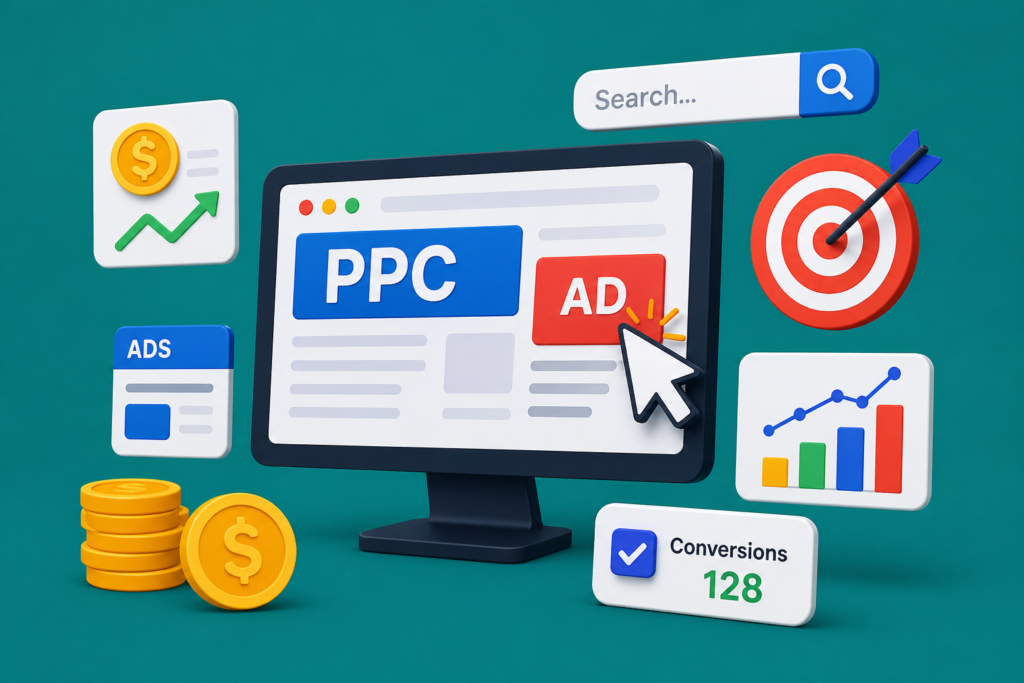
PPC (Pay-Per-Click) in Digital Marketing: Get Instant Traffic & Results

If you want quick visibility, instant traffic, and fast results, PPC is your best friend in digital marketing. Unlike SEO, which takes time, PPC helps your business appear at the top of search results immediately. 🚀 What is PPC (Pay-Per-Click)? PPC (Pay-Per-Click) is an online advertising model where you pay only when someone clicks on your ad. Instead of earning traffic organically, you buy visits to your website. Popular platforms for PPC include Google Ads, Facebook Ads, and Instagram Ads. 🎯 Why PPC is Important in Digital Marketing? PPC is powerful because: ⚡ Gives instant results 🎯 Targets the right audience 📈 Drives high-quality traffic 💰 You pay only for actual clicks 📊 Easy to track and measure performance 🔍 How PPC Works Here’s a simple process: You choose keywords related to your business Create an ad campaign Set your budget and bidding amount Your ad appears on search engines or social media You pay only when someone clicks the ad 💡 Types of PPC Ads 🔎 1. Search Ads Text ads that appear on search engine results (like on Google) 🖼️ 2. Display Ads Image/banner ads shown on websites 🎥 3. Video Ads Ads shown on platforms like YouTube 🛍️ 4. Shopping Ads Product-based ads with price and image 📱 5. Social Media Ads Ads on platforms like Facebook & Instagram ⚡ Tips for Successful PPC Campaigns Choose relevant keywords Write attractive ad copy Use strong Call-To-Action (CTA)(Example: “Buy Now”, “Get Free Trial”) Optimize landing pages Set a clear budget Track and improve performance regularly ❌ Common PPC Mistakes to Avoid Targeting wrong audience Ignoring negative keywords Poor ad design or content Not tracking conversions Sending traffic to a weak landing page 🌟 Catchy Headline Ideas “Get Instant Leads with Smart PPC Advertising” “Pay Less, Gain More: The Power of PPC” “Turn Clicks into Customers with PPC” “Boost Your Business Fast with Paid Ads” 📈 Conclusion PPC is one of the fastest ways to grow your business online. It helps you reach the right audience at the right time and get immediate results. However, success in PPC requires smart strategy, continuous optimization, and proper targeting. When done right, PPC can deliver amazing ROI (Return on Investment).

Influencer Marketing

Influencer Marketing in Digital Marketing: Build Trust, Boost Sales

In today’s digital age, people trust people more than ads. That’s why influencer marketing has become one of the most powerful strategies in digital marketing. Instead of brands promoting themselves, they collaborate with influencers who already have loyal audiences. 💡 What is Influencer Marketing? Influencer marketing is a strategy where businesses partner with social media influencers to promote their products or services. These influencers create content that feels natural and relatable, making the promotion more effective. Platforms like Instagram, YouTube, and Facebook are widely used for influencer marketing. 🚀 Why Influencer Marketing is So Effective? Influencer marketing works because: People trust recommendations from real individuals It increases brand awareness quickly Helps reach a targeted audience Generates high engagement (likes, comments, shares) Boosts sales and conversions 🎯 Types of Influencers 👤 1. Nano Influencers (1K–10K followers) High engagement More personal connection with audience 🌱 2. Micro Influencers (10K–100K followers) Best for niche audiences Affordable and effective 🔥 3. Macro Influencers (100K–1M followers) Larger reach Good for brand awareness 🌍 4. Mega Influencers (1M+ followers) Celebrities and big creators Massive reach but expensive 📊 How Influencer Marketing Works Find the right influencer related to your niche Collaborate and plan content Influencer creates and shares content Audience engages and trusts the recommendation You get traffic, leads, and sales ⚡ Tips for Successful Influencer Marketing Choose influencers who match your brand Focus on engagement, not just followers Allow creative freedom to influencers Use clear goals and expectations Track performance (likes, clicks, conversions) 💬 Popular Content Formats Product reviews Unboxing videos Tutorials Giveaways Sponsored posts and reels 🌟 Catchy Headline Ideas “Turn Followers into Customers with Influencer Marketing” “Real People, Real Impact: The Power of Influencers” “From Likes to Sales: Influencer Marketing Secrets” “Grow Faster with Smart Influencer Collaborations” 📈 Conclusion Influencer marketing is not just about promotion—it’s about building trust and relationships. When the right influencer talks about your brand, it feels genuine and connects instantly with the audience. If you use it smartly, influencer marketing can take your digital marketing strategy to the next level.

content marketing

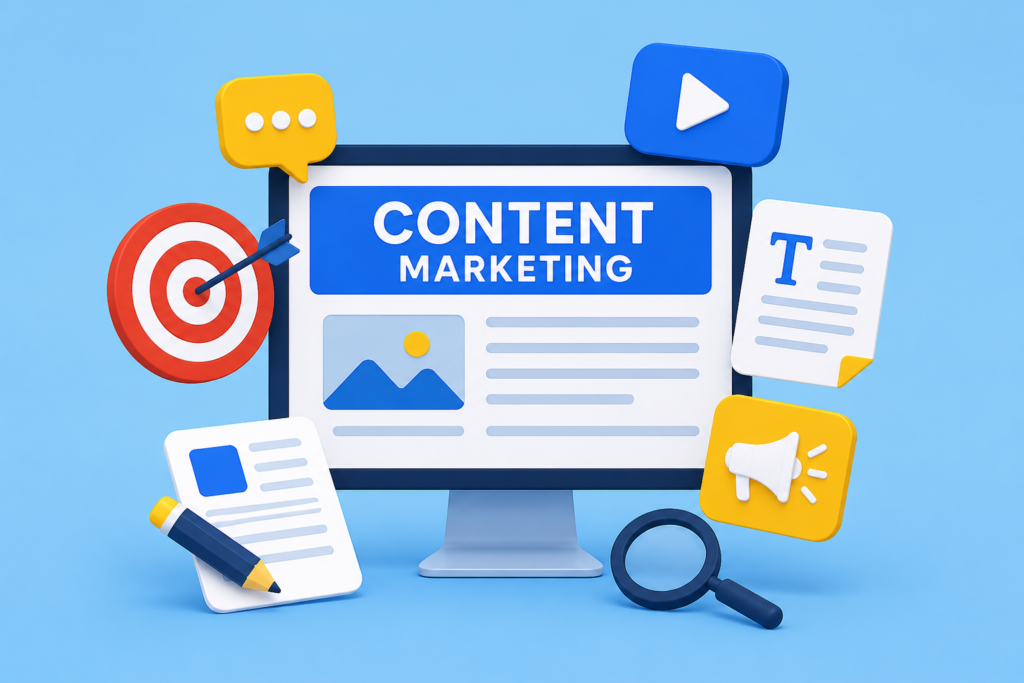
Content Marketing in Digital Marketing: Turn Words into Business Growth

In today’s digital world, people don’t like being sold to—they like being informed, inspired, and engaged. That’s where content marketing becomes a game changer. It’s not just about writing blogs or posting on social media, it’s about creating value that attracts your audience naturally.                                                                                        What is Content Marketing? Content marketing is a strategy where businesses create and share valuable content to attract and engage their target audience. Instead of directly promoting a product, you provide useful information that builds trust over time. For example: blogs, videos, social media posts, infographics, and emails—all are part of content marketing. Why Content Marketing is So Powerful? Content marketing is the heart of digital marketing because: It builds trust and credibility Helps in brand awareness Improves SEO ranking on Google Generates leads and conversions Creates a long-term connection with customers Types of Content Marketing You Should Know 1. Blog Content Writing informative articles that solve user problems and answer questions. 2. Video Content Short videos, reels, and tutorials that engage users quickly. 3. Social Media Content Posts, stories, and reels shared on platforms like Instagram and Facebook. 4. Email Marketing Content Sending newsletters, offers, and updates directly to users. 5. Infographics Visual content that explains information in an easy and attractive way. How Content Marketing Works Content marketing follows a simple process: Understand your audience Create valuable content Share it on the right platforms Engage with users Convert them into customers Consistency is the key—regular posting builds strong brand presence. Tips to Make Your Content Attractive Use catchy headlines Write in simple and clear language Add images and videos Focus on user problems and solutions Use storytelling techniques Always include a Call-To-Action (CTA) Example of Catchy Headlines “Boost Your Brand with Powerful Content Marketing” “Create Content That Converts Like Magic” “From Views to Sales: The Power of Content Marketing” “Don’t Sell, Just Tell: The Secret of Smart Marketing” Conclusion Content marketing is not just a trend—it’s the future of digital marketing. When you create content that truly helps people, your audience will trust you, follow you, and eventually become your customers. Start small, stay consistent, and focus on quality—success will follow automatically.

Scroll to Top